Bay Area Home Theater Guide
Most home theater planning content is written for a hypothetical American homeowner with a finished basement, a 200-amp electrical panel, and a house built sometime after 1990. That homeowner does not live in the Bay Area.
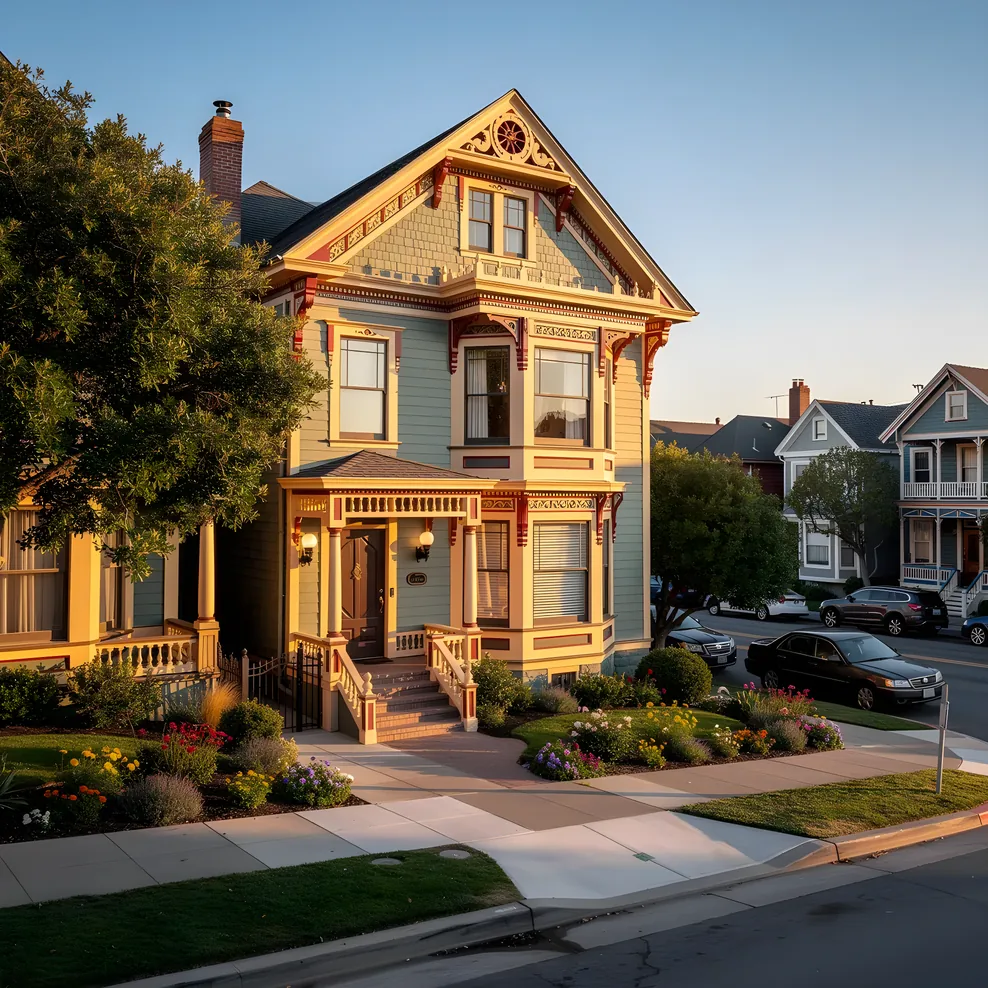
Here, the majority of homes predate the idea of a dedicated cinema room by 50 to 100 years. Craftsman bungalows in Oakland. Victorian row houses in San Francisco. Mid-century ranches in San Jose and Marin. Split-levels in Walnut Creek with electrical panels that were cutting-edge in 1962. No basements anywhere.
Planning a home theater in this region means solving problems that national guides never mention. This section of the site is written for Bay Area homeowners specifically.
What Makes Bay Area Home Theater Planning Different
Four factors shape almost every project here in ways that rarely come up in generic planning guides.
The housing stock. The Bay Area's most desirable neighborhoods are full of pre-1970 homes. That means plaster walls instead of drywall, original hardwood floors, older framing and wiring layouts, and rooms that were designed for 1920s or 1950s living, not for projectors and subwoofers. Converting one of these rooms into a cinema space requires a different approach than framing a basement from scratch.
No basements. California's seismic activity and soil conditions mean most Bay Area homes were built on slabs or raised foundations, not with basements. The basement home theater that gets endless coverage in national guides simply isn't an option here. Bay Area homeowners work with bedrooms, bonus rooms, garages, and in some cases ADU structures.
California permitting. California's building codes add a layer of complexity that matters once you start doing anything structural or electrical. AV-only work in an existing room usually doesn't require a permit. The moment you start framing walls, upgrading circuits, or adding a subpanel, you're in permit territory. The county matters too: Marin, Contra Costa, Santa Clara, and San Francisco all have their own processes and timelines.
Seismic considerations. This one surprises people. A properly designed theater room has a heavy projector mounted to the ceiling, a large tensioned screen on the wall, and an AV rack full of electronics. In earthquake country, all of that needs to be anchored for lateral movement, not just gravity. It's not complicated, but it has to be designed in from the beginning.
How Much a Home Theater Actually Costs Here
Bay Area labor rates run 30 to 50 percent above the national average for skilled trades. That single fact changes every cost estimate you'll find in a national guide.
A media room conversion in a Bay Area home, done professionally, typically runs between $15,000 and $40,000 depending on the scope of electrical work, acoustic treatment, and equipment tier. A dedicated home theater in a purpose-built or purpose-converted room starts around $40,000 and scales well past $150,000 for larger spaces with full acoustic buildout and premium equipment.
DIY setups, where you're handling layout and furnishing yourself and hiring only for electrical, come in much lower, typically $3,000 to $10,000 for the room setup. But "DIY" in a Bay Area home still means navigating plaster walls, potentially upgrading circuits, and figuring out acoustic treatment without a baseline that drywall would have given you.
The full breakdown is in the Bay Area home theater cost guide, with tier-by-tier pricing and a clear explanation of where the Bay Area premium actually comes from.
Older Homes: The Design Challenge Worth Planning For
A Victorian or Craftsman home brings real constraints to a theater project. Plaster walls absorb sound differently than modern drywall and are genuinely difficult to retrofit with acoustic panels without damaging them. Original hardwood floors, which no one wants to cover with carpet, reflect sound in ways that create flutter echo at certain frequencies. Low ceilings in older rooms can force shorter projector throw distances and limit speaker placement options.
None of this is a dealbreaker. Bay Area installers who specialize in this work have solved these problems in hundreds of homes. But they require a room-first design process, not an equipment-first one. The common mistake is specifying a projector or speaker system before understanding what the room can actually do acoustically.
The article on home theaters in Bay Area older homes covers Victorian, Craftsman, and mid-century homes in detail, including specific workarounds for plaster walls, hardwood floors, and ceiling height constraints.
Permits in California: When You Need One and When You Don't
The short answer: AV equipment in an existing room doesn't need a permit. Structural work, electrical upgrades, and new wall construction do.
The longer answer depends on your county and the scope of the project. Framing a new wall to create a darkened room in a garage conversion will require a permit in virtually every Bay Area jurisdiction. Adding a dedicated 20-amp circuit for your AV rack likely requires an electrical permit and licensed electrician. Whether that permit requires inspection depends on the county.
The good news is that most well-scoped theater projects, even substantial ones, move through the permit process without major complications. The bad news is that unpermitted structural or electrical work creates problems at resale and can create insurance issues.
The California home theater permit guide walks through what triggers a permit requirement, which trades require licensed contractors, and how county review timelines typically work across the Bay Area.
Seismic Safety: Anchoring Your Equipment Right
Most AV equipment is designed with gravity in mind. Projectors are rated for ceiling mounts that handle vertical loads. AV racks are designed to stay upright on flat floors. Neither is designed for the lateral forces a significant earthquake produces.
The practical requirements aren't dramatic. A ceiling-mounted projector needs a seismically rated mount rather than a standard mount. A free-standing AV rack should be secured to the wall or floor. A large projection screen, especially a motorized one, needs bracket hardware that can handle movement in multiple directions. If you're in a dedicated room with tiered seating, the riser structure needs to be properly anchored as well.
The right time to plan this is during the design phase, before equipment is specified and before the room is finished. Retrofitting seismic anchoring is always more expensive than designing for it from the start.
Read the full guide on seismic safety for home theater equipment for specific anchoring requirements by equipment type.
Garage Conversions: The Bay Area Alternative to a Basement
Because Bay Area homes don't have basements, the garage has become the most common space for a dedicated home theater conversion. A two-car garage gives you roughly 400 to 500 square feet of open floor plan, good ceiling height, and a structure that's already separate from the main living area, which helps with sound isolation.
The Bay Area's ADU (accessory dwelling unit) trend has made garage conversions more common and better-understood by local permitting offices. Many jurisdictions now have streamlined processes for attached garage conversions that include electrical and HVAC work.
The design challenges are real, though. Garages aren't insulated for thermal comfort or acoustic control. The slab floor needs to be addressed if you want riser seating. The existing door opening needs to be properly closed and finished. And the conversion will almost certainly require a permit.
The garage home theater conversion guide covers the full design and permitting process specific to Bay Area ADU regulations and local contractor requirements.
Your Electrical Panel: The Constraint Most Homeowners Discover Late
A home theater draws meaningful electrical load. A projector, AV receiver, amplifiers, and subwoofer can collectively pull 1,500 to 3,000 watts, and that's before accounting for HVAC in a sealed room. Dedicated circuits are standard practice for theater rooms, typically at least one 20-amp circuit for the AV equipment and a separate circuit for lighting and general power.
In Bay Area homes built before 1980, the main panel is often 100 amps or less. That may be enough to add one or two dedicated circuits without upgrading, depending on what else is running in the house. But many projects, especially larger dedicated room builds, end up requiring a panel upgrade to 200 amps.
Panel upgrades run $3,000 to $6,000 in the Bay Area once you factor in licensed electrician rates and permit costs. It's worth understanding your panel's current capacity before you finalize your theater budget.
The home theater electrical panel guide explains how to assess your panel's capacity, what the upgrade process looks like, and which electrical configurations are standard for dedicated theater rooms.
DIY vs. Hiring Out: What the Bay Area Labor Market Means for Your Project
Bay Area labor costs change the DIY calculus significantly. Electrical work requires licensed electricians. Framing and drywall in a permitted garage conversion requires licensed contractors. Even acoustic panel installation, which is genuinely DIY-friendly in most markets, has a meaningful labor cost here if you hire it out.
The honest version of "DIY home theater" in the Bay Area means doing the design work yourself, sourcing equipment independently, and handling finish work like acoustic panel placement and seating arrangement yourself, while hiring licensed trades for anything electrical or structural.
That hybrid approach can produce a theater room comparable to a professionally installed project at a meaningfully lower cost. The difference comes down to your comfort with project management and the complexity of your room's existing conditions.
The DIY home theater room guide maps out exactly where DIY makes sense in a Bay Area project and where cutting corners on licensed work creates risk.
Start with the Room, Not the Equipment
The single most common mistake in Bay Area home theater projects is specifying equipment before understanding the room. A homeowner finds a projector they want, buys a receiver, and then tries to make everything work in a space that was never assessed for throw distance, ceiling height, acoustic properties, or electrical capacity.
The room determines what's possible. The equipment should follow from that assessment, not the other way around.
For a broader look at room design principles, the home theater design guides cover layouts, dimensions, acoustic planning, and how to think about the design process before you talk to any installer. The home theater planning resources section is useful for practical questions around dimensions, seating layout, and how to evaluate and choose an installer.
When you're ready to connect with Bay Area specialists, bayareaavpros.com has vetted local installers across the East Bay, South Bay, Peninsula, Marin, and San Francisco. The complete planning guide library is at Bay Area Home Cinema.