How Much Does a Home Theater Cost in the Bay Area?
Most national cost guides for home theaters anchor on national averages. Bay Area homeowners planning a private cinema need different numbers, because the inputs are genuinely different here: contractor labor rates that run 30 to 50 percent above the national average, a housing stock built before dedicated cinema rooms were a concept, permit fees that vary significantly by county, and seismic anchoring requirements that add line items you won't find in a Denver or Charlotte guide.
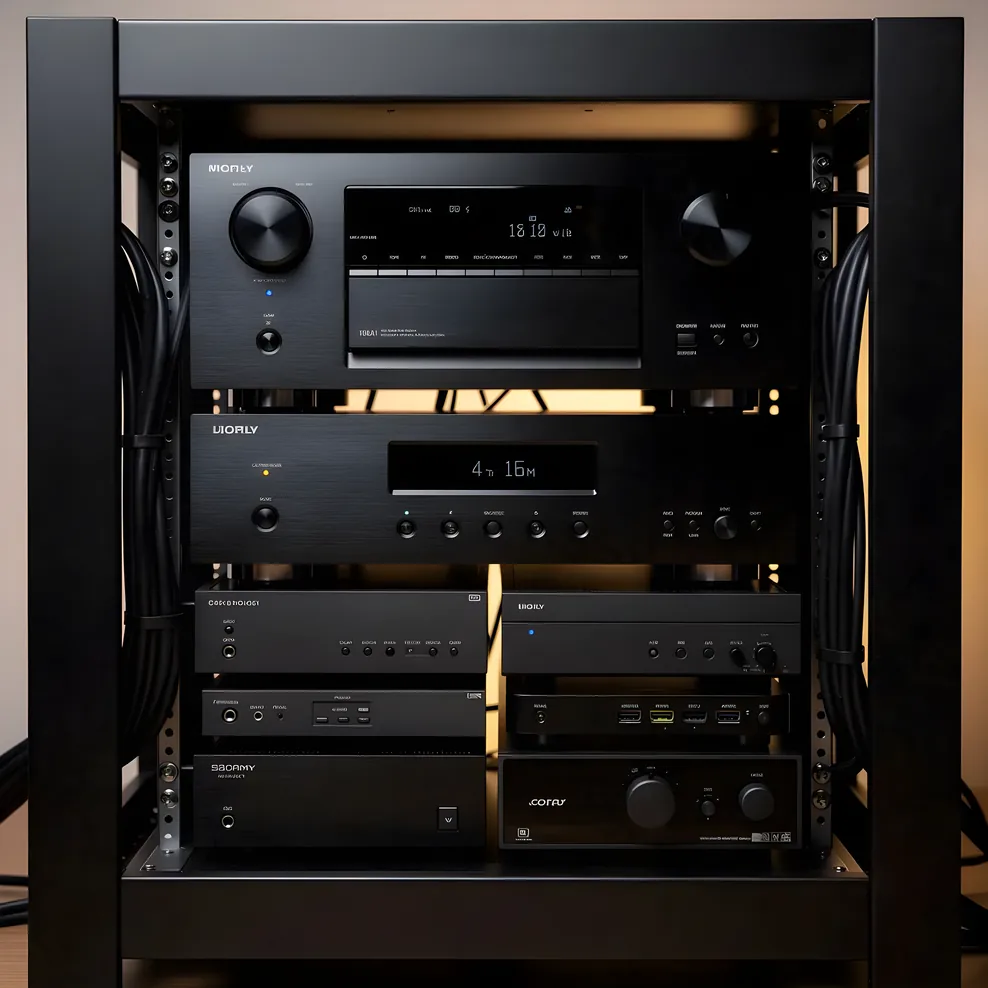
This guide breaks down home cinema costs by tier, then addresses the Bay Area-specific factors that make every tier more expensive than the generic figures suggest. If you're in the early planning phase and want to understand what you're actually committing to before talking to an AV integrator, this is the right starting point.
The Short Answer: Bay Area Home Theater Cost by Tier
Before the detail, here's a quick orientation. These ranges reflect what Bay Area homeowners typically spend for each tier, not national medians.
| Tier | Typical Range | What You Get |
|---|---|---|
| Entry-level setup | $2,000 to $5,000 | Equipment only, existing room, self-installed |
| Mid-range conversion | $5,000 to $15,000 | Dedicated room, professional calibration, good acoustics |
| High-end dedicated theater | $15,000 to $50,000 | Purpose-built room, premium projection, full acoustic treatment |
| Ultra-premium | $50,000 and up | Custom construction, reference-grade equipment, full integration |
Every tier expands when you add Bay Area labor and permitting. The sections below explain what's inside each number.
Entry-Level: $2,000 to $5,000
At the entry tier, you're equipping an existing room without structural changes. This typically means a consumer-grade projector or large-format display, a soundbar or basic 5.1 receiver with satellite speakers, and a streaming device. You're not building a dedicated cinema room; you're building a much better version of a living room setup.
What this budget covers: - A 4K projector in the $800 to $1,500 range (short-throw models for smaller rooms) - A 100 to 120-inch fixed-frame projection surface: $200 to $500 - A mid-tier AV receiver and a 5.1 speaker package: $600 to $1,500 - Cables, mounts, and basic light control: $200 to $400
What it doesn't cover: acoustic treatment, dedicated electrical circuits, new seating, or any construction. If you want a room that actually sounds and performs like a cinema, this tier is the start of the planning process, not the end.
Bay Area note: If you're in a space with plaster walls (very common in Victorian and Craftsman homes across SF, Oakland, and Berkeley), drilling and mounting carries more risk than in drywall construction. Budget a few hundred dollars for a handyman who understands plaster if you're not doing it yourself.
Mid-Range: $5,000 to $15,000
At this tier, you're converting a dedicated room and investing in professional installation and at least some acoustic treatment. The room might be a converted bedroom, a bonus room over the garage, or a media room in a newer home. You're not building from scratch, but you're treating the space seriously.
A mid-range Bay Area home cinema project typically includes:
Projection and display: A 4K laser projector or a 75 to 85-inch 4K display. Laser projectors in this tier run $1,500 to $3,500; large-format displays from $800 to $2,500 depending on panel type.
Audio: A proper 5.1.2 or 7.1.2 Dolby Atmos configuration (Dolby Atmos refers to object-based audio that positions sound in three dimensions, including overhead). This means in-ceiling or wall-mounted speakers, a quality AV receiver, and a subwoofer. Budget $1,500 to $4,000 for a solid mid-range audio system.
Acoustic treatment: Absorption panels on the side walls and rear, bass traps in the corners, and some ceiling treatment. DIY acoustic panels cost $30 to $80 each; professional panels from $100 to $300 each. A properly treated mid-range room typically needs 8 to 16 panels, putting treatment in the $400 to $2,500 range depending on approach.
Professional installation and calibration: Bay Area AV integrators typically charge $100 to $175 per hour for installation labor. A mid-range setup requiring a day of work runs $800 to $1,400 in labor. Proper audio calibration (using measurement tools and software to time-align speakers for your specific room) adds $200 to $500.
Seating: Two or three quality recliners designed for theater use: $400 to $1,200 per seat.
At the mid-range, you begin to notice Bay Area electrical costs. Most dedicated cinema rooms need at least one dedicated 20-amp circuit for audio equipment and another for projection or display. In the Bay Area, adding a dedicated circuit through a licensed electrician typically runs $300 to $600 per circuit, compared to $150 to $300 in lower-cost markets.
High-End: $15,000 to $50,000
At this level, you're building a purpose-designed cinema room with high-performance projection, a full Dolby Atmos speaker array (often 7.2.4 or larger), significant acoustic construction, and premium finishes. The room is designed from the floor to the ceiling with acoustic performance as a primary goal, not an afterthought.
Construction and acoustic isolation: A high-end dedicated theater typically involves some degree of decoupling the room from the house to control sound transmission. This might mean resilient channels in the walls and ceiling, mass-loaded vinyl, Green Glue compound, and staggered stud walls. In the Bay Area, this work runs $8,000 to $25,000 depending on scope and how much of the existing structure needs modification.
Seismic considerations: Bay Area theater builds that involve attached wall cabinets, speaker mounting to ceiling joists, or heavy equipment racks require seismic anchoring. California's seismic zone requirements mean that equipment racks, subwoofers, and ceiling-mounted projectors need anchoring methods that meet local code. Budget $500 to $2,000 for this work depending on the scale of the project.
Projection: Reference-quality 4K laser projectors capable of 3,000 to 6,000 lumens for a 120 to 150-inch screen: $3,500 to $15,000. At this tier, projection surfaces also get more sophisticated: acoustically transparent screens (which allow speakers to be positioned behind the screen, matching on-screen dialogue to the exact screen position) run $800 to $4,000 for a quality fixed-frame version.
Audio: A properly configured 7.2.4 Atmos system with in-ceiling height channels, quality in-wall or freestanding speakers, dual subwoofers, and a reference-grade AV processor. Budget $4,000 to $15,000 for audio at this tier, not including installation.
Permits: Projects at this tier typically require permits for electrical work, and often for structural modifications. Bay Area county permit fees vary significantly. Santa Clara County and San Mateo County electrical permits for a theater project typically run $200 to $600. San Francisco projects often require more review time and can run higher. Adding a room or converting an ADU into a dedicated theater may trigger additional permit requirements. Your AV integrator or general contractor should pull permits; budget $300 to $1,000 for permit fees, plus the cost of any required inspections.
Ultra-Premium: $50,000 and Up
Ultra-premium home cinemas are custom projects where the room is designed before a single piece of equipment is specified. These spaces typically involve an architect or interior designer, a dedicated acoustic consultant, and an AV integrator working from a coordinated plan. The equipment alone (reference-grade processors, high-output laser projectors, custom speaker systems) often runs $20,000 to $80,000 before labor.
Common elements in ultra-premium Bay Area projects: - Custom millwork and acoustic wall panels integrated into the room design - Automated lighting systems synced to the projection system - 4K laser projectors with 10,000+ lumen output for large screens (130 to 180+ inches) - Custom upholstered seating, often tiered on a purpose-built riser platform - Full smart home integration (controlling lighting, climate, shades, and the cinema system from a single interface) - Dedicated conditioned power systems for audio equipment
At this level, Bay Area labor costs are a significant share of the total. Projects in this tier regularly involve 200 to 600 hours of integrator time, electrician time, and finish carpentry. At Bay Area rates, that labor component alone can reach $30,000 to $80,000 on a complex build.
Bay Area-Specific Cost Factors
Several cost factors apply specifically to Bay Area home cinema projects, regardless of tier.
Contractor labor rates. Bay Area general contractors, electricians, and AV integrators charge significantly more than national averages. An electrician in the Peninsula or Silicon Valley typically bills $120 to $180 per hour versus $70 to $110 in most other metros. AV integrators with dedicated theater experience (not just general AV) are in shorter supply here, and their rates reflect that.
Older housing stock. The Bay Area's pre-1970 housing stock means many homes have plaster walls (not drywall), limited existing electrical capacity, and no basement to convert. Each of these adds complexity. Plaster walls require more careful work when routing cables. Older panels (100-amp service is still common in pre-1960 homes) may need to be upgraded before a high-performance audio system can run safely. Panel upgrades run $2,500 to $5,000 in the Bay Area.
No basements. Bay Area homes almost universally lack basements. Basements provide natural acoustic isolation and are the default dedicated theater space in other markets. Here, you're converting an existing room or building an addition. Both options are more expensive than a basement conversion.
ADU conversions. A detached ADU converted to a private cinema can work well acoustically (separation from the main house is a natural advantage) and avoids California ADU owner-occupancy restrictions that limit renting. However, ADU conversions require permits, and the Bay Area's ADU permitting process varies by city. Some cities (like San Jose and Oakland) have streamlined ADU permitting; others remain slower.
Seismic zone premiums. California's seismic requirements add cost to wall-mounted displays, ceiling-mounted projectors, and equipment racks. These aren't optional. If you're getting bids from out-of-state integrators unfamiliar with California code, seismic anchoring may not be in their estimate.
What's Usually Left Out of Home Theater Cost Estimates
Most cost guides undercount the total project cost by leaving out several real line items.
Furniture beyond seating. A proper cinema room usually needs blackout shades or curtains (light control is critical for projector performance), and often side tables, a snack bar, or built-in storage. These add $500 to $3,000 depending on finish level.
Calibration and commissioning. A correctly installed system needs professional calibration. This isn't marketing fluff: speaker time alignment, room correction processing, and display calibration make a measurable difference in picture and sound quality. Most Bay Area integrators charge $300 to $800 for a calibration session.
Network infrastructure. A modern home cinema relies on low-latency, high-bandwidth network connectivity for 4K streaming, control systems, and updates. If your existing network infrastructure doesn't reach the room cleanly, expect to add $300 to $1,500 for a wired network run or a WiFi 6 access point installation.
Ongoing maintenance. Laser projectors have long lifespans but filters need cleaning. AV receivers occasionally need firmware updates. Control systems need adjustments when equipment changes. Budget a modest annual maintenance allowance, particularly at higher tiers.
Getting Accurate Bay Area Quotes
The most reliable approach is to get written quotes from at least two AV integrators who have completed dedicated theater projects in the Bay Area. Ask to see photos of completed work and ask specifically about their experience with older Bay Area housing stock, seismic anchoring, and local permit requirements.
For projects at the mid-range tier and above, a design consultation before quotes are solicited will save money. Integrators who understand your room's dimensions, acoustic properties, and electrical situation before they bid will give you more accurate numbers than those estimating from a phone call.
The Bay Area Home Theater hub covers the broader planning process, including how to evaluate AV integrators and what questions to ask before committing to a contractor.
Frequently Asked Questions
How much does a home theater cost in the Bay Area?
Bay Area home theater costs range from $2,000 to $5,000 for a basic equipment setup in an existing room, $5,000 to $15,000 for a dedicated room conversion with professional installation, $15,000 to $50,000 for a high-end purpose-built theater, and $50,000 or more for fully custom builds. Bay Area labor rates and housing stock conditions push costs above national averages at every tier.
Why is home theater installation more expensive in the Bay Area?
Contractor and AV integrator labor rates run 30 to 50 percent above the national average. The Bay Area's older housing stock adds complexity (plaster walls, aging electrical panels, no basements). California seismic code adds anchoring requirements. And Bay Area permit fees tend to be higher than other metros.
Do I need a permit for a home theater in the Bay Area?
Electrical work always requires a permit in California. Structural modifications (dedicated rooms, platform risers, room construction) also require permits. County fees in the Bay Area typically run $300 to $1,000 for a home theater project plus inspections. Your AV integrator or general contractor should handle permit applications.
Can I build a home theater without a dedicated room?
Yes. An entry-level to mid-range setup works in a living room, family room, or bonus room. The tradeoff is acoustic performance: open rooms produce more echo and bass buildup. For serious cinema performance, a dedicated room produces noticeably better results.
What does acoustic treatment cost for a home theater?
Acoustic treatment ranges from $400 to $2,500 for a mid-range approach (absorption panels, bass traps) up to $8,000 to $20,000 for full acoustic isolation construction in a high-end build. Bay Area labor rates add 30 to 50 percent to the installation portion.
How does seismic code affect Bay Area home theater costs?
California seismic requirements mean wall-mounted displays, ceiling projectors, and heavy equipment racks must be properly anchored. This adds $500 to $2,000 to most mid-range and high-end projects. Out-of-state contractors may not include this in initial estimates.
Is a projector or a TV better for a home theater?
For a dedicated room with good light control, a 4K laser projector on a 100 to 150-inch screen is more immersive than any consumer TV. In rooms with significant ambient light or limited projector throw distance, a large-format display is more practical. The right answer depends on your room's dimensions, light conditions, and seating distance.
What is the most cost-effective home theater tier for a Bay Area homeowner?
The mid-range tier ($5,000 to $15,000) offers the best value for Bay Area homeowners who have a suitable dedicated room. Professional installation, calibrated audio, and basic acoustic treatment produce a significantly better experience than an entry-level setup without the construction cost of a full custom build.
Planning Your Private Cinema
Understanding cost is the first step in planning a home cinema. Once you have a sense of your tier and budget, the design decisions that follow will determine how well the room actually performs.
The Bay Area Home Theater guide covers the planning process in full, from room dimensions and layout to acoustic treatment principles and projection versus display decisions. If you're deciding between a fully dedicated room and a media room conversion, the dedicated home theater vs. media room comparison covers the tradeoffs in detail.
For homeowners ready to talk to installers, Bay Area AV Pros maintains a directory of Bay Area AV integrators with verified dedicated theater experience. The complete planning guide collection is at Bay Area Home Cinema.